Are You Mowing Too Often, or Not Often Enough? Getting the Rhythm Right in May and June
Date Released: 1 May 2026 Category: Blog
May and June are the months when the lawn really comes alive, and for most of us, that means the mower comes out of the shed a lot more often. But how often is the right amount? It's a question more people ask than you might expect, and the honest answer is that both extremes, mowing every few days and leaving it too long between cuts, can cause real problems for your lawn.
Getting the timing right isn't complicated, but it does make a genuine difference to how your grass looks and how healthy it stays through the summer.
This is completely normal, and it's worth knowing that it doesn't last forever. Growth rates tend to ease off as summer progresses and the ground starts to dry out, but for now, you're in the thick of it.
It sounds like a small thing, but it matters a great deal. Grass that gets cut too drastically in one go goes into a kind of shock. It diverts all its energy into recovering rather than growing strong, healthy roots, and the result is often a patchy, stressed-looking lawn that takes time to bounce back.
This is why leaving the grass too long between cuts can actually backfire. If you let it grow to twice the height you want and then scalp it back down in one session, you've done more harm than good, even if it looks tidy for a day or two afterwards.

A good rule of thumb is to mow when the grass is roughly one and a half times your target height. So if you like to keep your lawn at around four centimetres, get the mower out when it reaches about six centimetres. That way you're never taking off more than a third, and the lawn stays in good condition.
For most British lawns during the main growing season, a cutting height somewhere between three and five centimetres tends to work well. A slightly longer cut keeps the roots shaded and the lawn looking lush, and it's far more forgiving if you can't get out to mow exactly on schedule.
If the ground itself is soft and waterlogged rather than just the grass being damp, it's worth waiting if you can. Heavy mowers on soft ground can leave ruts that take weeks to recover.
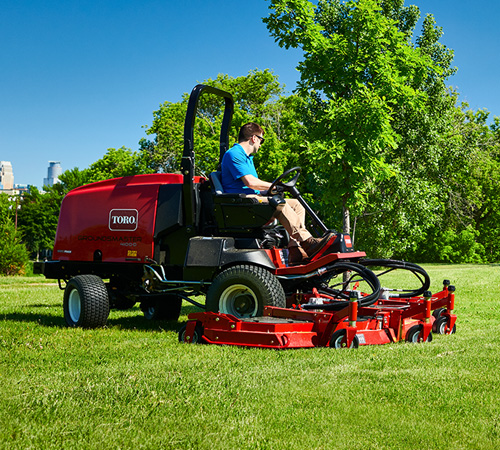
Regular mowing also means the clippings are short enough to fall back into the lawn and break down naturally, which returns nutrients to the soil and actually feeds the grass. When clippings are very long, they tend to sit on the surface in clumps instead, which can block light and cause yellowing underneath.
Once you stop thinking of mowing as a chore to be postponed and start treating it as a quick, regular bit of maintenance, both you and your lawn will be much happier for it.
Getting the timing right isn't complicated, but it does make a genuine difference to how your grass looks and how healthy it stays through the summer.
Why Grass Growth Speeds Up in May
From mid-spring onwards, rising temperatures and longer daylight hours trigger a surge in grass growth that gardeners sometimes call the May flush. Your lawn can go from looking perfectly neat to noticeably shaggy in just a few days, which is why the mower suddenly feels like it needs to come out every five minutes.This is completely normal, and it's worth knowing that it doesn't last forever. Growth rates tend to ease off as summer progresses and the ground starts to dry out, but for now, you're in the thick of it.
The One-Third Rule: The Most Important Thing You Can Learn About Mowing
If there's one piece of advice that makes the biggest difference to lawn health, it's this: never cut off more than one third of the grass height in a single mow.It sounds like a small thing, but it matters a great deal. Grass that gets cut too drastically in one go goes into a kind of shock. It diverts all its energy into recovering rather than growing strong, healthy roots, and the result is often a patchy, stressed-looking lawn that takes time to bounce back.
This is why leaving the grass too long between cuts can actually backfire. If you let it grow to twice the height you want and then scalp it back down in one session, you've done more harm than good, even if it looks tidy for a day or two afterwards.
So How Often Should You Actually Mow?
During May and June, most lawns benefit from cutting once a week as a general guide. Some faster-growing lawns may need it every five or six days during the peak of the flush, while others will be fine at seven to ten days. The best approach is to let the grass tell you rather than sticking rigidly to a schedule.A good rule of thumb is to mow when the grass is roughly one and a half times your target height. So if you like to keep your lawn at around four centimetres, get the mower out when it reaches about six centimetres. That way you're never taking off more than a third, and the lawn stays in good condition.
What Height Should You Be Cutting To?
This is another area where people often go wrong, particularly in the belief that cutting shorter means cutting less often. In practice, scalping a lawn very short stresses the grass, leaves it vulnerable to drying out, and actually encourages weeds and moss to move in.For most British lawns during the main growing season, a cutting height somewhere between three and five centimetres tends to work well. A slightly longer cut keeps the roots shaded and the lawn looking lush, and it's far more forgiving if you can't get out to mow exactly on schedule.
Mowing Wet Grass: A Quick Word
During May and June in Britain, it's not always possible to wait for a dry day. If you do need to mow when the grass is damp, raise your cutting height slightly and take it steadily. Wet grass clumps together and puts more strain on the mower, and it also tears more easily instead of cutting cleanly.If the ground itself is soft and waterlogged rather than just the grass being damp, it's worth waiting if you can. Heavy mowers on soft ground can leave ruts that take weeks to recover.
Giving Your Toro a Chance to Do Its Job
Your Toro is designed to handle regular cutting during the growing season, and keeping to a consistent mowing schedule actually makes the machine's job easier, not harder. Cutting manageable amounts of grass regularly is far less demanding on the blades, engine, and drive system than occasionally wrestling with overgrown, thick grass.Regular mowing also means the clippings are short enough to fall back into the lawn and break down naturally, which returns nutrients to the soil and actually feeds the grass. When clippings are very long, they tend to sit on the surface in clumps instead, which can block light and cause yellowing underneath.
Finding Your Own Rhythm
The most important thing is to find a routine that works for your garden and stick to it. A lawn that gets a regular, sensible cut at the right height will look better, stay healthier, and be more resistant to weeds and dry spells than one that gets an occasional severe chop.Once you stop thinking of mowing as a chore to be postponed and start treating it as a quick, regular bit of maintenance, both you and your lawn will be much happier for it.