Clippings: Should You Collect Them, Mulch Them, or Leave Them Where They Fall?
Date Released: 2 Jun 2026 Category: Blog
Every time you mow the lawn, you are faced with a decision that most people make out of habit rather than thought. The grass box fills up, you empty it onto the compost heap, and that is that. Or perhaps your machine does not have a collector and the clippings scatter across the surface, and you have always assumed that it's a problem you should probably sort out one day. The truth is that what you do with your grass clippings has a genuine effect on the health and appearance of your lawn, and the best approach depends on conditions that change throughout the season.
There is also an aesthetic argument. A freshly mowed lawn with the clippings collected has a clean, striped finish that most people find satisfying. If appearance matters to you, particularly for a front lawn or a garden you use for entertaining, collecting is hard to argue against during the main growing season.
The downside is the effort involved. Emptying and composting a grass box takes time, and on a larger lawn it means stopping repeatedly during the job. The clippings themselves are excellent compost material, so at least the effort is not wasted, but it is effort nonetheless.
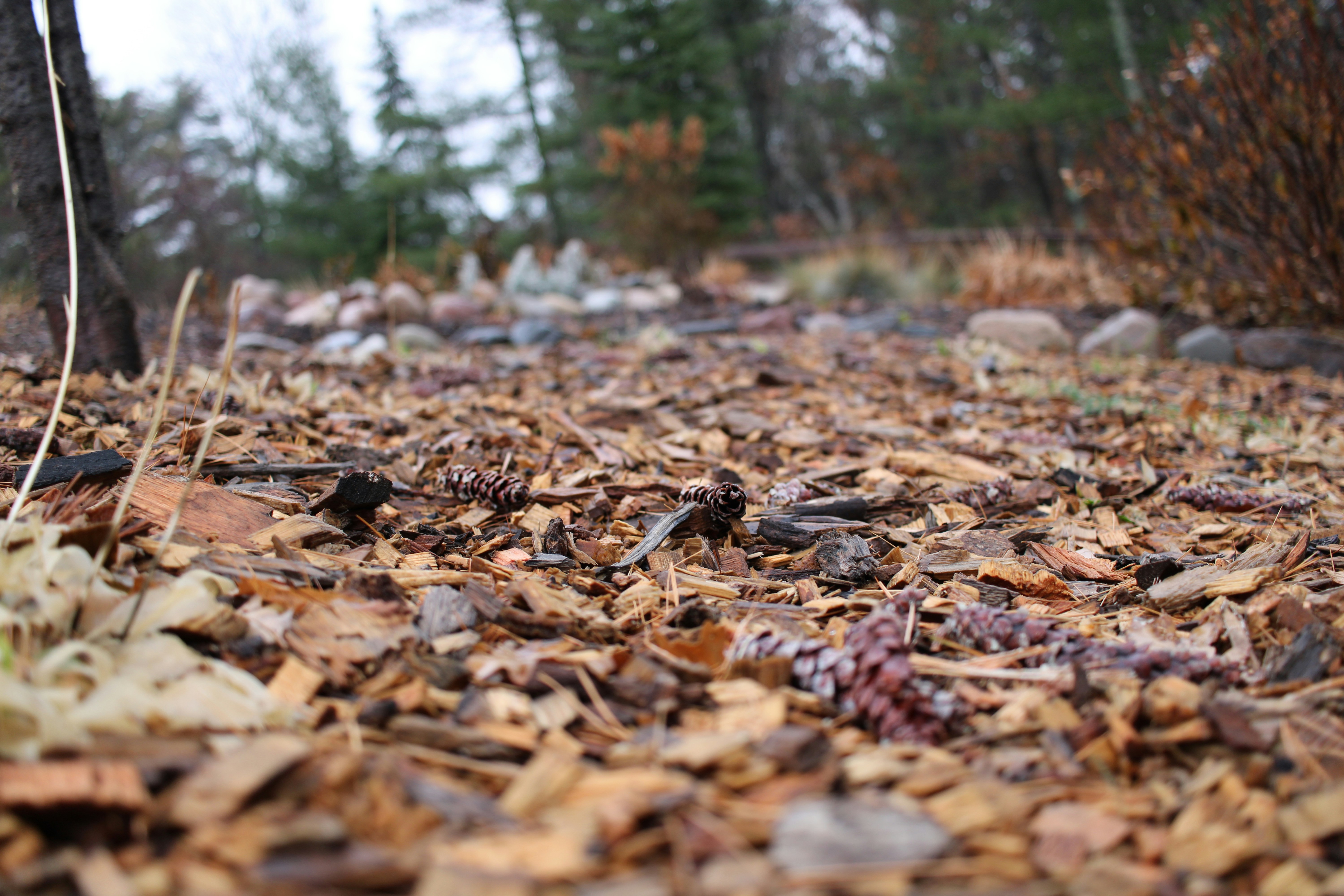
Done properly, mulching returns moisture and nutrients to the soil without leaving any visible residue on the surface. The fine particles break down quickly and act as a natural slow-release feed, which over time can reduce the amount of additional fertiliser the lawn needs. It is a genuinely useful function and one that is worth knowing about if your machine supports it.
The key word, though, is properly. Mulching works well when the grass is not too long and the clippings are fine enough to disappear into the sward quickly. If the lawn has been left to grow longer than usual between cuts, mulching can still produce a volume of material that sits on the surface rather than filtering down, which defeats the purpose. In those situations, collecting is the better call, at least until the lawn is back to a manageable length.
The question of whether to leave clippings on the surface is one that divides opinion. The concern most people have is thatch, which is the layer of dead organic material that builds up at the base of the grass and can eventually cause problems with drainage and air circulation. Many people assume that leaving clippings contributes to thatch, but the evidence for this is less clear than the assumption suggests. Fresh grass clippings are mostly water and break down relatively quickly. It is the slower-decomposing material like dead roots and stems that forms thatch, not the clippings themselves.
That said, leaving heavy volumes of long clippings on the surface during warm, damp weather is not ideal for the reasons already mentioned. If you are going to leave clippings, it works best when you are cutting little and often, so the volume each time is small enough to settle into the lawn without smothering anything.
The key is to pay attention to what the lawn is telling you. If clippings are sitting on the surface in visible rows after mowing, they are too long and too heavy to be left. If they are fine and disappearing into the grass within a day, the lawn is handling them well.
Whichever approach suits your lawn and your routine, the main thing is that the decision is an active one rather than simply a habit. Clippings are a resource, and how you handle them has more influence on the long-term health of your lawn than most people give them credit for.
The Case for Collecting
Collecting clippings is the default choice for most people, and there are good reasons for it. When the grass is growing quickly, as it does through May and June, clippings can be quite long and heavy. Left on the surface in volume, they sit in clumps that block light and air from reaching the grass beneath. If the weather is warm and damp, those clumps can encourage the kind of fungal conditions that lawns do not respond well to. Collecting during periods of lush, rapid growth is generally the tidier and safer option.There is also an aesthetic argument. A freshly mowed lawn with the clippings collected has a clean, striped finish that most people find satisfying. If appearance matters to you, particularly for a front lawn or a garden you use for entertaining, collecting is hard to argue against during the main growing season.
The downside is the effort involved. Emptying and composting a grass box takes time, and on a larger lawn it means stopping repeatedly during the job. The clippings themselves are excellent compost material, so at least the effort is not wasted, but it is effort nonetheless.
What Mulching Actually Means
Mulching is something of a middle ground, and it is a feature that a number of Toro machines either offer as standard or can be set up for with the right blade and deck configuration. Rather than collecting the clippings or discharging them onto the surface, a mulching setup cuts the clippings into very fine pieces and redistributes them back into the base of the grass sward.Done properly, mulching returns moisture and nutrients to the soil without leaving any visible residue on the surface. The fine particles break down quickly and act as a natural slow-release feed, which over time can reduce the amount of additional fertiliser the lawn needs. It is a genuinely useful function and one that is worth knowing about if your machine supports it.
The key word, though, is properly. Mulching works well when the grass is not too long and the clippings are fine enough to disappear into the sward quickly. If the lawn has been left to grow longer than usual between cuts, mulching can still produce a volume of material that sits on the surface rather than filtering down, which defeats the purpose. In those situations, collecting is the better call, at least until the lawn is back to a manageable length.
Leaving Clippings Where They Fall
Side discharge, where clippings are thrown out to the side of the machine as you mow, is common on larger ride-on machines covering significant areas. On a smaller domestic lawn it can look untidy, but on a larger plot where appearance is less of a priority it is a perfectly practical approach.The question of whether to leave clippings on the surface is one that divides opinion. The concern most people have is thatch, which is the layer of dead organic material that builds up at the base of the grass and can eventually cause problems with drainage and air circulation. Many people assume that leaving clippings contributes to thatch, but the evidence for this is less clear than the assumption suggests. Fresh grass clippings are mostly water and break down relatively quickly. It is the slower-decomposing material like dead roots and stems that forms thatch, not the clippings themselves.
That said, leaving heavy volumes of long clippings on the surface during warm, damp weather is not ideal for the reasons already mentioned. If you are going to leave clippings, it works best when you are cutting little and often, so the volume each time is small enough to settle into the lawn without smothering anything.
How the Season Should Influence Your Decision
The right approach to clippings is not fixed throughout the year. During the spring flush, when grass is growing rapidly and clippings are long and heavy, collecting is generally the sensible choice. As growth settles into a steadier summer rhythm and you are cutting more frequently, mulching becomes increasingly practical and beneficial. During dry spells, leaving fine clippings on the surface can actually help retain a little moisture in the soil, which is no bad thing. Later in the season, as growth slows and the risk of fungal issues recedes, the decision matters rather less.The key is to pay attention to what the lawn is telling you. If clippings are sitting on the surface in visible rows after mowing, they are too long and too heavy to be left. If they are fine and disappearing into the grass within a day, the lawn is handling them well.
Making the Most of What Your Machine Can Do
It is worth checking what your Toro is actually capable of, because the options available to you depend on the machine. Some models come with a mulching plug that blocks the discharge chute and encourages the clippings to be recut inside the deck. Others have dedicated mulching blades that do the job more effectively than a standard blade with the chute blocked. If you are not sure what your machine supports, the parts diagram for your model will show you what is available, and it is often a straightforward addition if mulching is something you want to try.Whichever approach suits your lawn and your routine, the main thing is that the decision is an active one rather than simply a habit. Clippings are a resource, and how you handle them has more influence on the long-term health of your lawn than most people give them credit for.