Is Your Toro Running Hot? How to Clean and Service Your Cooling System Before the Summer Heat
Date Released: 3 Apr 2026 Category: Blog
As we move out of the lush, wet days of spring and into the warmer months of a British summer, the challenges for your Toro tractor change. While the "May Flush" tested your mower’s belts and blades, the rising temperatures of June and July will test something arguably more important: your engine’s ability to stay cool.
An overheating engine is one of the quickest ways to turn a reliable piece of machinery into an expensive repair bill. Unlike a car, which has a radiator filled with liquid coolant and a large front-facing grill, most Toro residential tractors are air-cooled. This means they rely entirely on a constant, unobstructed flow of clean air rushing over the engine to whisk away the heat.
In this guide, we’ll explain how the cooling system works, why the "snow" from British trees is your engine’s worst enemy, and how a few simple cleaning steps can prevent a summer breakdown.
These fins increase the surface area of the metal, allowing the air to soak up the heat and carry it away. It’s a brilliant, simple system, but it has one major flaw: debris.
If you’ve ever looked at your lawn in early summer, you’ve likely seen "willow snow," dandelion seeds, and dried grass clippings floating in the air. Your engine is essentially a giant vacuum cleaner for all that fluff. Within just a few hours of mowing, those seeds can get sucked into the intake and plastered against the cooling fins. This creates a thick "blanket" of insulation. Instead of the heat escaping into the air, it stays trapped inside the engine.
The "Power Fade": You might notice the engine starts to lose power after 30 minutes of mowing, or the RPMs start to "hunt" (going up and down) for no apparent reason. Hard Restarting: If you stop the engine to grab a glass of water and it refuses to start again until it has sat for an hour, it’s likely suffering from "heat soak." A Change in Smell: An overheating engine often gives off a faint smell of hot oil or burning paint. If you smell this, stop immediately! Pink or "Ticking" Noises: When metal gets too hot, it expands beyond its design limits. This can cause the engine to make a metallic clicking or "pinking" sound under load.

You don't need to be a mechanic to keep your engine cool. Following these steps once a month during the summer (or more often if it's very dry and dusty) will keep your Toro running happily.
1. Clear the Intake Screen
The most obvious part of the cooling system is the mesh screen on top of the engine. This is your first line of defence. If this is clogged with grass or seeds, the fan can't breathe. Give it a wipe with your hand or a soft brush every time you finish a mow.
2. Inspect the Air Filter and Pre-Filter
The Air Filter isn't just there to keep the engine clean; it’s part of the overall airflow management. Many Toro engines use a foam "pre-filter" that sits over the main paper element. During a dry UK summer, these get clogged with dust very quickly. If the air filter is black or grey, it’s time for a replacement. A clogged filter makes the engine run "rich," which actually generates even more internal heat.
3. Peek Under the Cowling
This is the "pro" tip that many homeowners miss. Every season or two, you should remove the bolts holding the plastic engine cover (the cowling) in place. You would be amazed at how many mouse nests or solid "bricks" of dried grass can hide in there. If the air can't get to the cooling fins, the fan is just blowing air into a dead end. Use a can of compressed air or a leaf blower to blast out any hidden debris.
4. Check the Oil Level
In an air-cooled engine, oil is a coolant. It circulates through the internal parts, picking up heat and bringing it to the bottom of the engine (the sump) to be cooled by the air. If your oil is low, the remaining oil has to work twice as hard and gets twice as hot. Keep your oil topped up to the "Full" mark on the dipstick using a high-quality SAE 30 or 10W-30 oil.
Damaged Engine Cowlings: If the plastic cover is cracked or missing a piece, the air won't be "ducted" correctly. It will just leak out the side instead of being forced over the cooling fins. Missing Air Deflectors: Inside the engine area, there are often small metal or plastic shields designed to guide air. If these have vibrated loose or rusted away, the engine will develop "hot spots." Worn Spark Plugs: An old spark plug can cause the engine to fire at the wrong time (pre-ignition), which spikes the internal temperature. A fresh plug is a cheap way to ensure "cool" combustion.
Remember, an engine that stays cool is an engine that stays powerful. If you notice your air filters are looking a bit clogged or your engine covers are damaged after a busy spring, head over to Toro Tractor Spares to grab the genuine parts you need to beat the heat.
An overheating engine is one of the quickest ways to turn a reliable piece of machinery into an expensive repair bill. Unlike a car, which has a radiator filled with liquid coolant and a large front-facing grill, most Toro residential tractors are air-cooled. This means they rely entirely on a constant, unobstructed flow of clean air rushing over the engine to whisk away the heat.
In this guide, we’ll explain how the cooling system works, why the "snow" from British trees is your engine’s worst enemy, and how a few simple cleaning steps can prevent a summer breakdown.
How Air-Cooling Works (And Why It Fails)
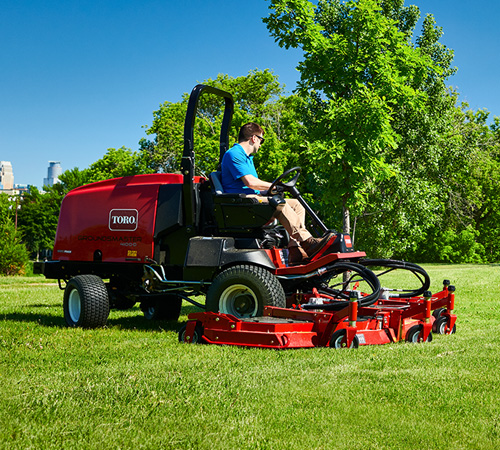
Your Toro’s engine is covered by a plastic or metal shroud called a cowling. Underneath that cover is a large fan (the flywheel) with fins on it. As the engine runs, this fan sucks in air and blows it across the "cooling fins"—those metal ridges on the side of the engine block.These fins increase the surface area of the metal, allowing the air to soak up the heat and carry it away. It’s a brilliant, simple system, but it has one major flaw: debris.
If you’ve ever looked at your lawn in early summer, you’ve likely seen "willow snow," dandelion seeds, and dried grass clippings floating in the air. Your engine is essentially a giant vacuum cleaner for all that fluff. Within just a few hours of mowing, those seeds can get sucked into the intake and plastered against the cooling fins. This creates a thick "blanket" of insulation. Instead of the heat escaping into the air, it stays trapped inside the engine.
The Warning Signs of an Overheating Toro
Because your tractor doesn't usually have a temperature gauge on the dashboard, you have to listen and feel for the signs that it's getting too hot:Your Summer Cooling Checklist
You don't need to be a mechanic to keep your engine cool. Following these steps once a month during the summer (or more often if it's very dry and dusty) will keep your Toro running happily.
1. Clear the Intake Screen
The most obvious part of the cooling system is the mesh screen on top of the engine. This is your first line of defence. If this is clogged with grass or seeds, the fan can't breathe. Give it a wipe with your hand or a soft brush every time you finish a mow.
2. Inspect the Air Filter and Pre-Filter
The Air Filter isn't just there to keep the engine clean; it’s part of the overall airflow management. Many Toro engines use a foam "pre-filter" that sits over the main paper element. During a dry UK summer, these get clogged with dust very quickly. If the air filter is black or grey, it’s time for a replacement. A clogged filter makes the engine run "rich," which actually generates even more internal heat.
3. Peek Under the Cowling
This is the "pro" tip that many homeowners miss. Every season or two, you should remove the bolts holding the plastic engine cover (the cowling) in place. You would be amazed at how many mouse nests or solid "bricks" of dried grass can hide in there. If the air can't get to the cooling fins, the fan is just blowing air into a dead end. Use a can of compressed air or a leaf blower to blast out any hidden debris.
4. Check the Oil Level
In an air-cooled engine, oil is a coolant. It circulates through the internal parts, picking up heat and bringing it to the bottom of the engine (the sump) to be cooled by the air. If your oil is low, the remaining oil has to work twice as hard and gets twice as hot. Keep your oil topped up to the "Full" mark on the dipstick using a high-quality SAE 30 or 10W-30 oil.
When Parts Need Replacing
If you've cleaned everything and your machine is still running hot, it’s time to check for physical damage to the cooling components. You can find all of these in our Engine Parts and Filters categories:Summary: Keep it Clean, Keep it Cool
The British summer might not be the Sahara, but for a hard-working Toro tractor, a 25°C day combined with a thick blanket of dandelion fluff is a recipe for disaster. By spending five minutes after each mow to clear the screens and checking your filters and oil regularly, you’ll protect your engine’s lifespan.Remember, an engine that stays cool is an engine that stays powerful. If you notice your air filters are looking a bit clogged or your engine covers are damaged after a busy spring, head over to Toro Tractor Spares to grab the genuine parts you need to beat the heat.