Understanding Toro Parts Diagrams: How to Find the Exact Part You Need
Date Released: 4 Mar 2026 Category: Blog
If you've ever tried to order a spare part for your Toro and ended up confused, frustrated, or ordering the wrong thing entirely, you're not alone. The problem usually isn't that the parts aren't available; it's that finding the exact right part from hundreds of possibilities feels like navigating a maze. This is where understanding parts diagrams transforms the whole experience from confusing guesswork into a straightforward process.
Parts diagrams might look intimidating at first glance, covered in numbers, lines pointing everywhere, and technical drawings that seem designed for engineers rather than regular people. However, once you understand the basics, they're actually incredibly helpful tools that take the uncertainty out of parts ordering.
However, if you provide a specific part number like "117-7267" or "93-6336", you're giving them exact, unambiguous information. That part number refers to one specific component, and any supplier can look it up and send you exactly what you need.
This is why learning to use parts diagrams is so valuable. They show you the actual part number for the specific component you need to replace.
Once you've got your model number, finding the corresponding parts diagram is usually straightforward. Suppliers organise them logically, often by series or year range. Download or bookmark the diagram for your specific model because you'll refer to it repeatedly over the years.
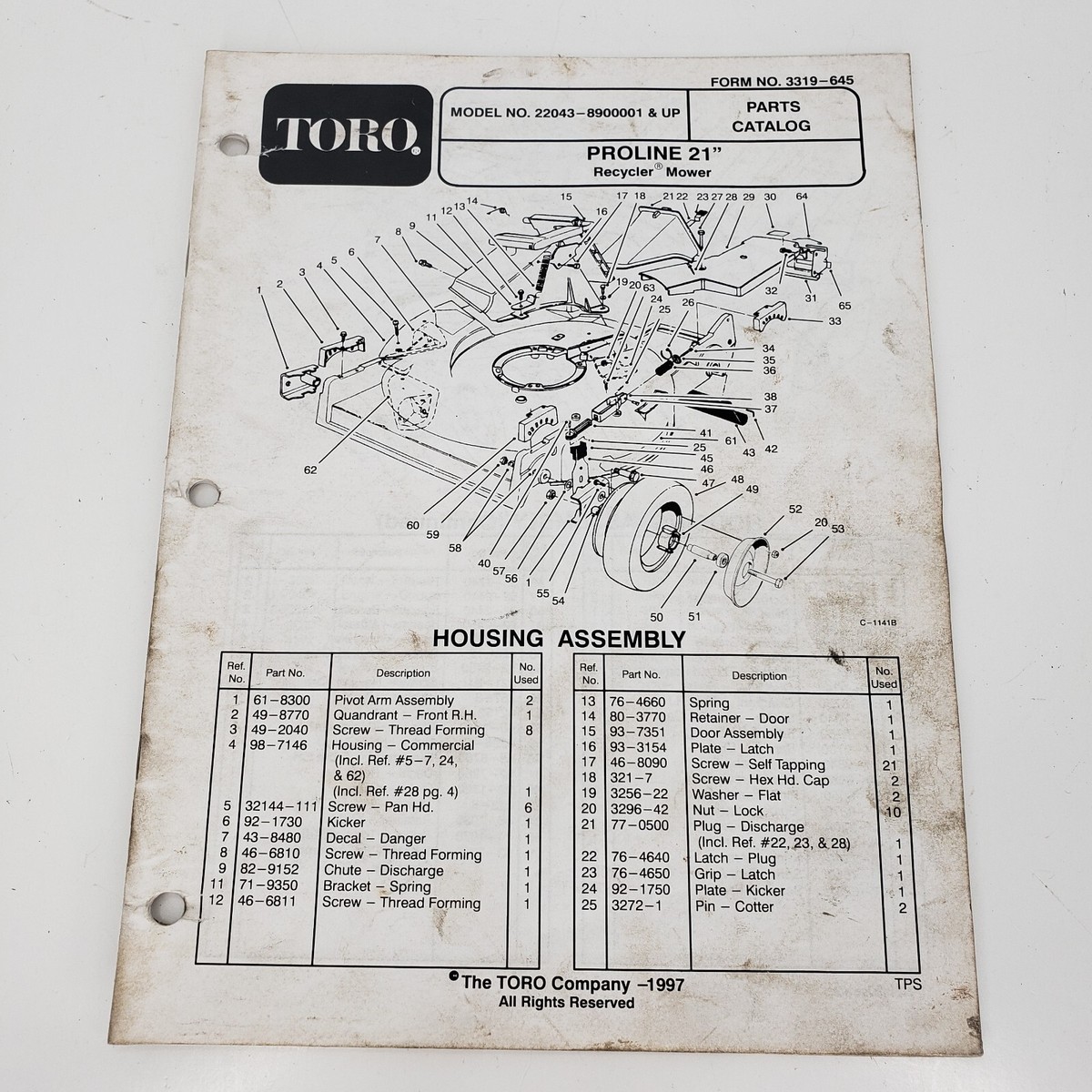
Each component has a reference number next to it, usually in a circle or box. These reference numbers correspond to a parts list, typically shown alongside or below the diagram, that tells you the actual part number, description, and sometimes quantity needed.
The clever thing about exploded diagrams is they show you not just which part you need, but also how it relates to surrounding parts. This helps you understand how things fit together, which is invaluable if you're planning to replace something yourself.
If you're after a blade, look at the cutting deck section. Need a drive belt? Check the transmission section. Once you're in the right section, locate the component visually in the drawing. The diagrams are usually drawn clearly enough that you can recognise what you're looking for.
Once you've spotted your part in the diagram, note the reference number next to it. Then find that reference number in the accompanying parts list. Next to it, you'll see the actual part number you need to order, plus a description that confirms you've found the right thing.

The actual part number is what appears in the parts list next to the reference number. This is usually a longer number, sometimes with letters included. This is what you write down and provide when ordering.
For example, reference number 23 in the diagram might lead you to part number 117-1018 in the parts list, which is described as "Blade, 21-inch". The "23" is just helping you navigate the diagram; "117-1018" is what you actually need to order.
Another error is not checking the year or serial number range that parts fit. Some part numbers are only correct for specific production runs. The parts list often shows serial number ranges or year ranges. Make sure your machine falls within the specified range before ordering.
People also sometimes mix up parts from different sections. Your Toro might have multiple belts, and ordering a transmission belt when you need a deck belt means you'll get a belt that's the wrong length and width even though it's definitely a belt for your model.
The diagram also shows you how components relate to each other. If you're replacing a belt, the diagram shows every pulley it goes around and how it's routed. If you're replacing a blade spindle, you can see the entire assembly and understand what bolts and spacers go where.
This visual understanding makes DIY jobs much less daunting because you can see the whole picture rather than just guessing.
Reputable parts suppliers maintain cross-reference information showing which current part replaces discontinued ones. When you provide your original part number, they can look up the superseded replacement and confirm it fits your application.
Occasionally, parts genuinely become unavailable, but this is rare for Toro given their excellent parts support. More often, you've just found an old part number that's been updated, and the supplier can point you to the current equivalent.
However, never assume a part is compatible with a different model just because it looks similar or seems like it should fit. Always confirm using the actual parts diagrams for each specific model. What fits a 2015 model might not fit a 2018 model even though they look identical externally.
Some people mark their printed diagrams with notes about which parts they've replaced and when, creating a service history integrated into the parts diagram itself. This helps track what's been done and when parts might need replacing again.
For DIY repairs, having the diagram means you can see how everything fits together before you start, making jobs less intimidating and more successful. You'll also spot what other parts you might need whilst you're in there, rather than discovering halfway through a job that you need another component you haven't ordered.
Parts diagrams are one of those resources that seem complicated until you actually use them, at which point they become indispensable. Take the time to understand how to read them, and you'll wonder how you ever managed without.
Parts diagrams might look intimidating at first glance, covered in numbers, lines pointing everywhere, and technical drawings that seem designed for engineers rather than regular people. However, once you understand the basics, they're actually incredibly helpful tools that take the uncertainty out of parts ordering.
Why Part Numbers Matter More Than Descriptions
Here's the fundamental thing to understand: descriptions are helpful, but part numbers are what actually matter. If you tell a parts supplier you need "a belt" or "the blade" for your Toro, they can't help you because there might be dozens of different belts or blades that fit various Toro models.However, if you provide a specific part number like "117-7267" or "93-6336", you're giving them exact, unambiguous information. That part number refers to one specific component, and any supplier can look it up and send you exactly what you need.
This is why learning to use parts diagrams is so valuable. They show you the actual part number for the specific component you need to replace.
Accessing Your Toro's Parts Diagram
Most Toro parts diagrams are available as PDF documents that you can download or view online. Your parts supplier's website likely has these organised by model and year. You need to start by identifying your specific Toro model number, which should be on an identification sticker somewhere on your machine, typically under the seat.Once you've got your model number, finding the corresponding parts diagram is usually straightforward. Suppliers organise them logically, often by series or year range. Download or bookmark the diagram for your specific model because you'll refer to it repeatedly over the years.
Reading an Exploded Diagram
Parts diagrams typically show components in "exploded view" format. This means everything is drawn as if the machine has been taken apart and spread out, with each component shown separately but in its relative position to everything else.Each component has a reference number next to it, usually in a circle or box. These reference numbers correspond to a parts list, typically shown alongside or below the diagram, that tells you the actual part number, description, and sometimes quantity needed.
The clever thing about exploded diagrams is they show you not just which part you need, but also how it relates to surrounding parts. This helps you understand how things fit together, which is invaluable if you're planning to replace something yourself.
Finding Your Part in the Diagram
Parts diagrams are usually split into sections: cutting deck, transmission, electrical system, engine, frame and body, and so on. Start by working out which section of your mower contains the part you need.If you're after a blade, look at the cutting deck section. Need a drive belt? Check the transmission section. Once you're in the right section, locate the component visually in the drawing. The diagrams are usually drawn clearly enough that you can recognise what you're looking for.
Once you've spotted your part in the diagram, note the reference number next to it. Then find that reference number in the accompanying parts list. Next to it, you'll see the actual part number you need to order, plus a description that confirms you've found the right thing.
Understanding Part Numbers vs Reference Numbers
This confuses many people, so it's worth being clear. The reference number is just an index number for that particular diagram. It helps you match the visual component to the parts list. It's not the part number you order.The actual part number is what appears in the parts list next to the reference number. This is usually a longer number, sometimes with letters included. This is what you write down and provide when ordering.
For example, reference number 23 in the diagram might lead you to part number 117-1018 in the parts list, which is described as "Blade, 21-inch". The "23" is just helping you navigate the diagram; "117-1018" is what you actually need to order.
Common Areas Where People Order Wrong Parts
One frequent mistake is ordering based on what looks right rather than checking the part number. Toro uses similar-looking components across different models, but with subtle differences. A belt that looks identical might be two centimetres different in length, which matters enormously when fitting.Another error is not checking the year or serial number range that parts fit. Some part numbers are only correct for specific production runs. The parts list often shows serial number ranges or year ranges. Make sure your machine falls within the specified range before ordering.
People also sometimes mix up parts from different sections. Your Toro might have multiple belts, and ordering a transmission belt when you need a deck belt means you'll get a belt that's the wrong length and width even though it's definitely a belt for your model.
Using Diagrams for DIY Understanding
Beyond just finding part numbers, diagrams help you understand how components fit together. If you're planning to replace something yourself, studying the diagram first shows you what else you might need to remove to access the part you're replacing.The diagram also shows you how components relate to each other. If you're replacing a belt, the diagram shows every pulley it goes around and how it's routed. If you're replacing a blade spindle, you can see the entire assembly and understand what bolts and spacers go where.
This visual understanding makes DIY jobs much less daunting because you can see the whole picture rather than just guessing.
When Your Part Number Doesn't Exist
Sometimes you'll find a part number in your diagram, search for it, and discover it no longer exists or shows as discontinued. This usually means the part has been superseded by an updated version with a different part number.Reputable parts suppliers maintain cross-reference information showing which current part replaces discontinued ones. When you provide your original part number, they can look up the superseded replacement and confirm it fits your application.
Occasionally, parts genuinely become unavailable, but this is rare for Toro given their excellent parts support. More often, you've just found an old part number that's been updated, and the supplier can point you to the current equivalent.
Cross-Referencing Between Models
Sometimes parts are shared between different Toro models. The parts list might indicate this with notes like "also used on model X" or by showing multiple model numbers for the same part.However, never assume a part is compatible with a different model just because it looks similar or seems like it should fit. Always confirm using the actual parts diagrams for each specific model. What fits a 2015 model might not fit a 2018 model even though they look identical externally.
Keeping Your Diagram Handy
Download your parts diagram and save it somewhere accessible. Print a copy to keep with your mower manual if you prefer working from paper. Having it readily available means you can quickly look up part numbers whenever you need something without hunting for the file or waiting for websites to load.Some people mark their printed diagrams with notes about which parts they've replaced and when, creating a service history integrated into the parts diagram itself. This helps track what's been done and when parts might need replacing again.
The Difference This Makes
Understanding parts diagrams transforms ordering from "I think I need this, maybe" into "I need part number 117-7267". Suppliers can help you immediately and confidently. You order once and get exactly what you need, rather than ordering wrong parts, returning them, and trying again.For DIY repairs, having the diagram means you can see how everything fits together before you start, making jobs less intimidating and more successful. You'll also spot what other parts you might need whilst you're in there, rather than discovering halfway through a job that you need another component you haven't ordered.
Parts diagrams are one of those resources that seem complicated until you actually use them, at which point they become indispensable. Take the time to understand how to read them, and you'll wonder how you ever managed without.