When Should You Replace Your Mower Blades? A Homeowner's Guide
Date Released: 2 Feb 2026 Category: Blog
There's something oddly satisfying about a freshly mowed lawn with those perfect stripes and a crisp, clean finish. But achieving that result has less to do with fancy equipment and more to do with something incredibly simple: sharp blades. Yet blade maintenance is one of those jobs that many people overlook until their lawn starts looking decidedly scruffy despite their best efforts.
Understanding when to replace your Toro mower blades doesn't require any special expertise. It's mostly about knowing what to look for and being honest about what you're seeing.
Think about cutting tomatoes with a blunt knife versus a sharp one. The sharp knife slices cleanly, whilst the blunt one squashes and tears. Your grass experiences exactly the same thing. Those torn edges also make grass more vulnerable to disease and stress, especially during hot weather or drought conditions.
As a general guide, most domestic users find that blades need replacing every couple of years, with sharpening needed once or twice per season. However, this is just a starting point. Your actual situation might be quite different, which is why learning to inspect your blades matters more than following a rigid schedule.
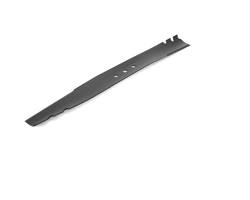
A blade in good condition has a defined cutting edge that's relatively sharp and even along its length. A worn blade tells a different story. You might notice the cutting edge has become rounded rather than sharp. There might be nicks, chips, or gouges where you've hit things. Sometimes one end looks noticeably more worn than the other because of how the mower was used.
If the blade is bent even slightly, replacement is the only sensible option. Some people try to straighten bent blades, but this affects the balance and can create dangerous vibration. A new blade costs far less than the damage an unbalanced blade can cause.
You can sharpen blades yourself with a file or bench grinder if you're comfortable doing so. The key is maintaining the original cutting angle and making sure you remove equal amounts from both ends to keep the blade balanced. Some people prefer to take their blades to a professional sharpener, which is perfectly sensible and usually costs just a few pounds.
However, there comes a point when a blade has been sharpened so many times that there's not much metal left. If your blade is looking noticeably thinner than when it was new, or if there's significant damage that sharpening can't fix, replacement is the better choice.
Another clear sign is when you've sharpened the blade but your cut quality hasn't improved. If the grass still looks torn and ragged despite a freshly sharpened blade, the blade itself might be worn beyond the point where sharpening helps. Sometimes the metal has simply lost its temper after years of impacts and wear, and no amount of sharpening will restore proper cutting performance.
You can check balance by hanging the blade on a nail through its centre hole. If one side consistently dips lower, that side is heavier and needs a bit more material removed. Some people use purpose-made blade balancers, which make the job easier and more accurate. When you fit a replacement blade, it should come properly balanced from the manufacturer, but it's worth checking anyway.
Consider this a good opportunity to check other components whilst you're down there. Look at the condition of the deck, check for any build-up of grass and debris, and make sure everything else looks as it should. Starting the season with a new blade and a clean, well-maintained deck means you'll get the best possible results from your mower.
Toro blades are designed specifically for your model, so make sure you're getting the right ones. Generic blades might fit, but they won't necessarily perform as well or last as long as genuine parts designed for your specific mower.
Blade replacement isn't complicated, expensive, or time-consuming, but the difference it makes to your lawn's appearance is remarkable. Pay attention to your blades, replace them when needed rather than persevering with worn ones, and you'll be rewarded with a lawn that looks professionally maintained even though you're just doing regular home maintenance.
Understanding when to replace your Toro mower blades doesn't require any special expertise. It's mostly about knowing what to look for and being honest about what you're seeing.
Why Sharp Blades Actually Matter
Before we talk about replacement, it helps to understand why blade sharpness is such a big deal. A sharp blade cuts grass cleanly, like a pair of good scissors through paper. The grass heals quickly, stays healthier, and looks neat. A dull blade, on the other hand, tears and shreds the grass, leaving ragged edges that turn brown and make your lawn look poorly even when you've just cut it.Think about cutting tomatoes with a blunt knife versus a sharp one. The sharp knife slices cleanly, whilst the blunt one squashes and tears. Your grass experiences exactly the same thing. Those torn edges also make grass more vulnerable to disease and stress, especially during hot weather or drought conditions.
How Often Should You Think About Blade Replacement?
There's no universal answer because it depends entirely on how much you use your mower and what conditions you're cutting in. Someone with a small lawn who mows once a fortnight will get much longer out of their blades than someone maintaining a large property weekly. Similarly, if you're frequently hitting hidden stones, roots, or other obstacles, your blades will suffer more damage.As a general guide, most domestic users find that blades need replacing every couple of years, with sharpening needed once or twice per season. However, this is just a starting point. Your actual situation might be quite different, which is why learning to inspect your blades matters more than following a rigid schedule.
What Does a Worn Blade Actually Look Like?
Pull your mower blade off and have a proper look at it. Don't worry, this isn't as complicated as it sounds, and your manual will show you exactly how. Always disconnect the spark plug first for safety, then tip the mower on its side and remove the blade bolt.A blade in good condition has a defined cutting edge that's relatively sharp and even along its length. A worn blade tells a different story. You might notice the cutting edge has become rounded rather than sharp. There might be nicks, chips, or gouges where you've hit things. Sometimes one end looks noticeably more worn than the other because of how the mower was used.
If the blade is bent even slightly, replacement is the only sensible option. Some people try to straighten bent blades, but this affects the balance and can create dangerous vibration. A new blade costs far less than the damage an unbalanced blade can cause.
Can You Sharpen Instead of Replacing?
Absolutely, and you should. Sharpening is routine maintenance, whilst replacement is what you do when sharpening is no longer effective. A blade can usually be sharpened several times before it needs replacing entirely.You can sharpen blades yourself with a file or bench grinder if you're comfortable doing so. The key is maintaining the original cutting angle and making sure you remove equal amounts from both ends to keep the blade balanced. Some people prefer to take their blades to a professional sharpener, which is perfectly sensible and usually costs just a few pounds.
However, there comes a point when a blade has been sharpened so many times that there's not much metal left. If your blade is looking noticeably thinner than when it was new, or if there's significant damage that sharpening can't fix, replacement is the better choice.
Signs That Definitely Mean Replacement Time
Certain conditions leave no room for debate. If your blade has cracks anywhere, replace it immediately. Cracks can cause the blade to break apart whilst spinning at high speed, which is genuinely dangerous. Similarly, if there are large chunks missing from the blade or severe bends, don't risk it.Another clear sign is when you've sharpened the blade but your cut quality hasn't improved. If the grass still looks torn and ragged despite a freshly sharpened blade, the blade itself might be worn beyond the point where sharpening helps. Sometimes the metal has simply lost its temper after years of impacts and wear, and no amount of sharpening will restore proper cutting performance.
The Balance Question
This is something people often don't consider, but it's genuinely important. When you sharpen or replace a blade, it needs to be properly balanced. An unbalanced blade creates vibration that can damage your mower's engine bearings, spindle, and other components over time.You can check balance by hanging the blade on a nail through its centre hole. If one side consistently dips lower, that side is heavier and needs a bit more material removed. Some people use purpose-made blade balancers, which make the job easier and more accurate. When you fit a replacement blade, it should come properly balanced from the manufacturer, but it's worth checking anyway.
Making the Most of Your New Blade
When you do fit a new blade, you're essentially giving your mower a fresh start. Make sure you torque the blade bolt to the correct specification mentioned in your manual. Too loose and the blade can work free, too tight and you risk damaging the threads or the blade itself.Consider this a good opportunity to check other components whilst you're down there. Look at the condition of the deck, check for any build-up of grass and debris, and make sure everything else looks as it should. Starting the season with a new blade and a clean, well-maintained deck means you'll get the best possible results from your mower.
Keeping Spare Blades Handy
Here's a tip that makes life easier: keep a spare blade or two in your shed. This way, if you damage a blade mid-season, you can swap it out immediately rather than waiting for a replacement to arrive whilst your lawn turns into a meadow. You can also rotate blades, sending one off for sharpening whilst you use the spare.Toro blades are designed specifically for your model, so make sure you're getting the right ones. Generic blades might fit, but they won't necessarily perform as well or last as long as genuine parts designed for your specific mower.
Blade replacement isn't complicated, expensive, or time-consuming, but the difference it makes to your lawn's appearance is remarkable. Pay attention to your blades, replace them when needed rather than persevering with worn ones, and you'll be rewarded with a lawn that looks professionally maintained even though you're just doing regular home maintenance.