Why Your Lawn Looks Worse After Mowing: Understanding Stress, Browning, and What to Do About It
Date Released: 1 Jun 2026 Category: Blog
There are few things more disheartening than spending an hour mowing your lawn, stepping back to admire the result, and finding it looks worse than it did before you started. A patchy, yellowed, or slightly ragged finish after mowing is more common than most people realise, and the good news is that it is almost always explainable and fixable. Understanding what is happening and why makes it much easier to put right.
Grass is a living plant, and the leaf blade is where it produces the energy it needs to stay healthy. When you remove too much of that leaf in a single cut, the plant goes into a kind of shock. It cannot photosynthesise properly, the exposed lower stems turn yellow or brown in the sun, and the overall appearance of the lawn takes a noticeable hit. The rule of thumb that most lawn care people refer to is the one-third rule: never remove more than one third of the grass blade in a single mowing. If the lawn has grown particularly long between cuts, it is better to bring it down gradually over two or three sessions rather than taking it all off at once.
On a Toro machine, the cutting height is straightforward to adjust, and it is worth checking where yours is set if you have not looked at it recently. For most British lawns through the summer months, a height of somewhere between 25mm and 40mm tends to give a healthy finish without stressing the grass.
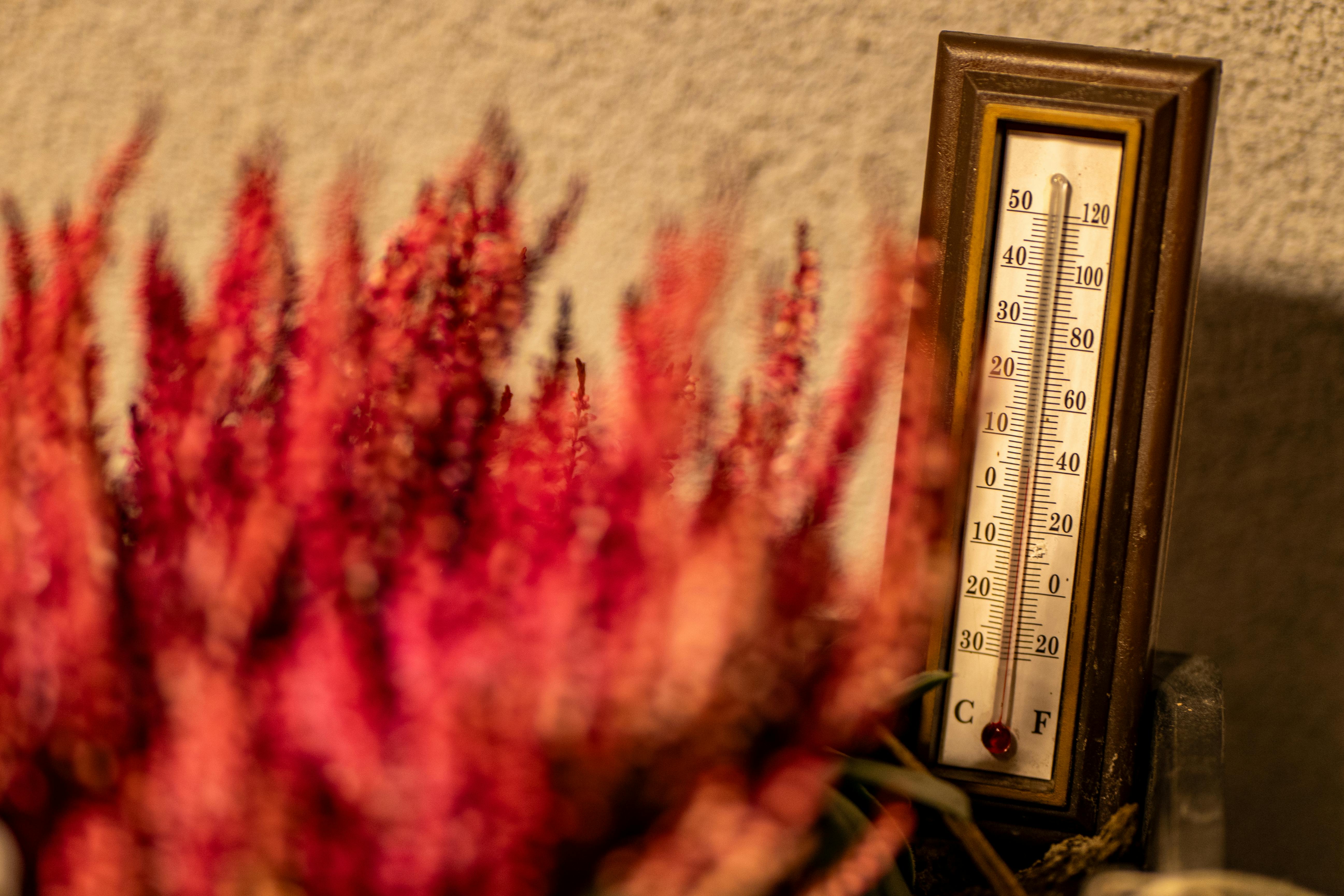
If you are mowing during a warm spell, early morning or evening is considerably kinder to the lawn. The grass is cooler, the soil retains more moisture, and the freshly cut surface has time to recover before the heat of the following day. It is a small change that makes a genuine difference to how the lawn looks in the days after cutting.
Up close, you can actually see the difference. A grass blade cut cleanly by a sharp blade will have a neat, straight edge across the top. One torn by a blunt blade will look frayed and bruised, and that damaged tissue dries out and discolours quickly. Sharpening or replacing your mower blades regularly is one of the most impactful things you can do for the appearance of your lawn, and it is something that is easy to overlook because the blades are out of sight during normal use.
As a rough guide, blades on a regularly used domestic mower benefit from sharpening at least once during the mowing season, and ideally at the start of each season too. If you are mowing a larger area or going over ground that occasionally catches stones or hard debris, more frequent checks are worthwhile.
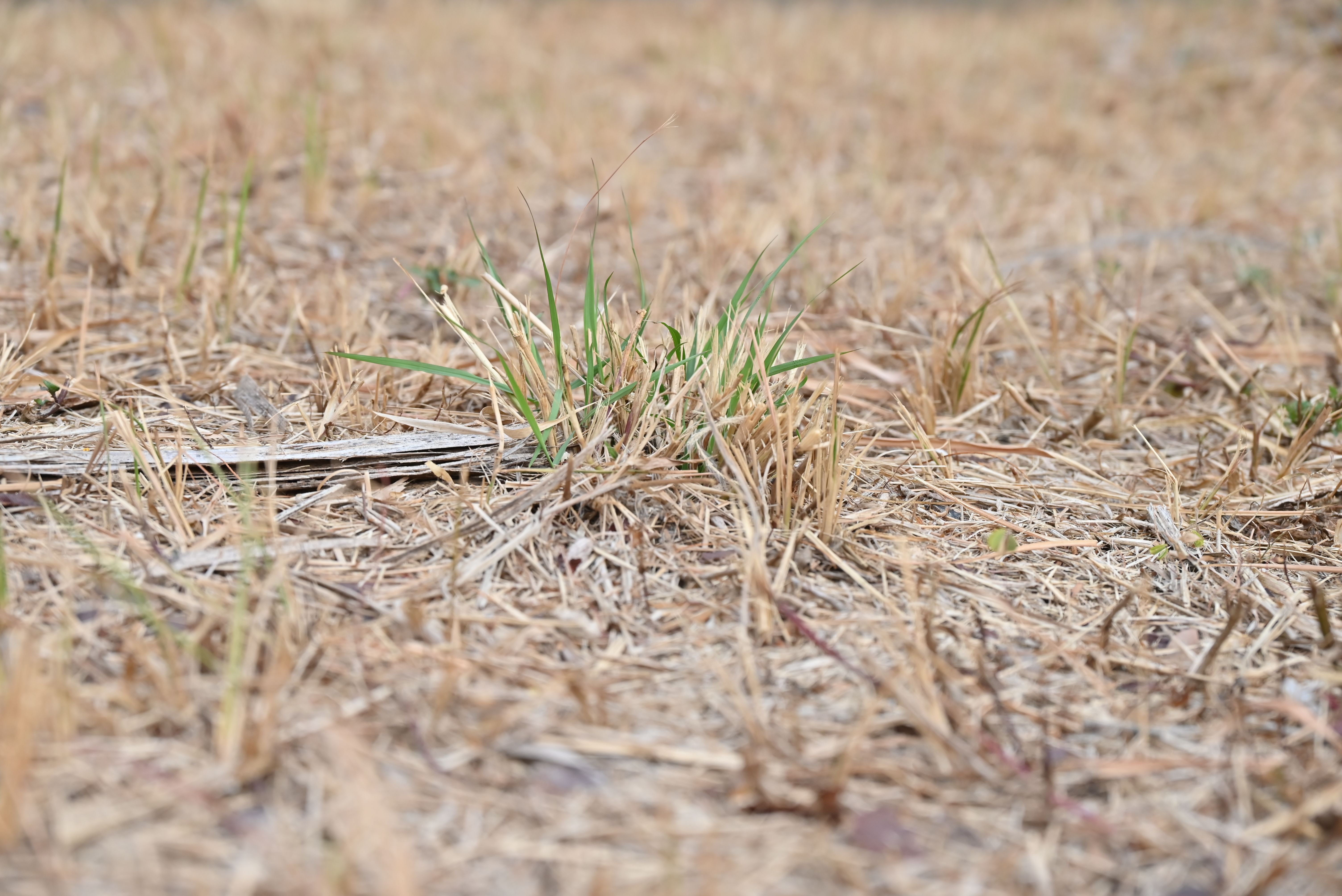
It is also worth knowing that some browning during a genuine dry spell is completely normal and does not mean the lawn is permanently damaged. Most grass varieties used in British lawns are remarkably resilient and will recover well once rain returns or watering resumes.
A few minutes spent cleaning under the deck and checking that everything is running smoothly can make a surprising difference to the quality of finish your machine produces.
The Most Common Culprit: Cutting Too Low
The single most frequent reason a lawn looks stressed after mowing is that it has been cut too short. This is sometimes called scalping, and it can happen gradually without you noticing, particularly if the ground is uneven or if the cutting height has drifted lower over time without being deliberately adjusted.Grass is a living plant, and the leaf blade is where it produces the energy it needs to stay healthy. When you remove too much of that leaf in a single cut, the plant goes into a kind of shock. It cannot photosynthesise properly, the exposed lower stems turn yellow or brown in the sun, and the overall appearance of the lawn takes a noticeable hit. The rule of thumb that most lawn care people refer to is the one-third rule: never remove more than one third of the grass blade in a single mowing. If the lawn has grown particularly long between cuts, it is better to bring it down gradually over two or three sessions rather than taking it all off at once.
On a Toro machine, the cutting height is straightforward to adjust, and it is worth checking where yours is set if you have not looked at it recently. For most British lawns through the summer months, a height of somewhere between 25mm and 40mm tends to give a healthy finish without stressing the grass.
Heat and Timing
Mowing during the hottest part of the day in warm weather is another thing that can leave a lawn looking unhappy afterwards. When temperatures are high, grass is already under a degree of heat stress, and cutting it at that point removes the very leaf material that was providing some shade and protection to the root zone. The exposed soil and lower stems then take the full force of the afternoon sun, and browning follows fairly quickly.If you are mowing during a warm spell, early morning or evening is considerably kinder to the lawn. The grass is cooler, the soil retains more moisture, and the freshly cut surface has time to recover before the heat of the following day. It is a small change that makes a genuine difference to how the lawn looks in the days after cutting.
Blunt Blades and the Damage They Do
A blunt mower blade does not cut grass cleanly. Instead of slicing through each blade of grass, it tears and shreds it, leaving a ragged edge that turns brown within a day or two of mowing. If your lawn has a slightly grey or straw-coloured tinge after cutting rather than a clean green finish, blunt blades are very likely the cause.Up close, you can actually see the difference. A grass blade cut cleanly by a sharp blade will have a neat, straight edge across the top. One torn by a blunt blade will look frayed and bruised, and that damaged tissue dries out and discolours quickly. Sharpening or replacing your mower blades regularly is one of the most impactful things you can do for the appearance of your lawn, and it is something that is easy to overlook because the blades are out of sight during normal use.
As a rough guide, blades on a regularly used domestic mower benefit from sharpening at least once during the mowing season, and ideally at the start of each season too. If you are mowing a larger area or going over ground that occasionally catches stones or hard debris, more frequent checks are worthwhile.
Drought Stress and Dry Conditions
During dry spells, grass that is already short of water will show stress more readily after mowing. The cutting process itself is not particularly harmful in these conditions, but removing leaf material when the plant is already struggling to maintain itself tips the balance further. If the lawn has been dry for a week or more and is starting to look a little dull or has lost its springiness underfoot, raising the cutting height slightly will help. Longer grass shades the soil, reduces moisture loss, and gives the plant more resource to draw on during dry periods.It is also worth knowing that some browning during a genuine dry spell is completely normal and does not mean the lawn is permanently damaged. Most grass varieties used in British lawns are remarkably resilient and will recover well once rain returns or watering resumes.
When the Machine Itself Needs Attention
Occasionally the issue is not the grass or the conditions but the machine. A cutting deck that is not level will produce an uneven finish with some areas cut lower than others, which shows up as patches of stress across the lawn. A belt that is slipping may cause the blades to run at inconsistent speed, affecting cut quality. And a deck that has a build-up of dried grass clippings on the underside can disrupt airflow, which affects how evenly the grass is lifted and cut.A few minutes spent cleaning under the deck and checking that everything is running smoothly can make a surprising difference to the quality of finish your machine produces.